Vienna for Solo Travelers: Your Complete Practical Guide
— Vienna is one of Europe's safest and most solo-friendly cities. Discover the best museums, coffee houses, and dining spots to enjoy on your own terms.
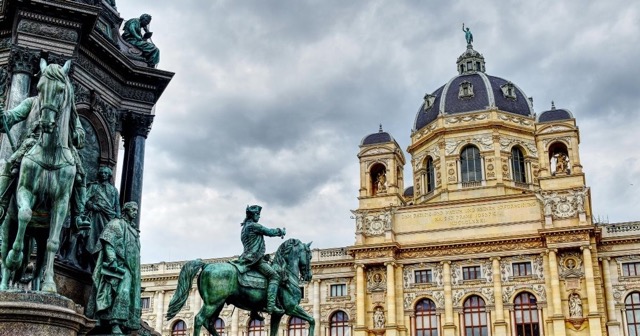
Traveling solo in Vienna is one of the most quietly rewarding experiences Europe has to offer. The city consistently ranks among the safest on the continent, its public transport is flawless, and — perhaps best of all — its culture is genuinely built around spending time alone in public. Whether you're planning a week of museum-hopping or simply want to sit in a grand coffee house with a book and feel completely at home, Vienna delivers without apology.
Why Vienna Is One of Europe's Safest Cities for Solo Travel
Safety is the first thing most solo travelers think about, and Vienna gives you very little to worry about. The Austrian capital regularly appears in the top tier of the Economist Intelligence Unit's Global Liveability Index, which factors in stability, infrastructure, and personal safety. The city centre is well-lit, the U-Bahn runs reliably until the early hours (and through the night on weekends), and street harassment is genuinely rare.
Practically speaking, Vienna's compact historic centre means you can walk almost everywhere during the day and rely on excellent public transport after dark. A single Vienna City Card covers unlimited travel on trams, buses, and the U-Bahn — a sensible investment for any solo visitor staying more than a day or two. Tourist police are visible around major attractions, and English is widely spoken across hotels, restaurants, and transport hubs.
For solo female travelers in particular, Vienna stands out. The coffee house culture means there's always a warm, staffed, public space to retreat to at any hour. Nobody will rush you, question you, or make you feel out of place for sitting alone with a coffee and a newspaper for two hours.
The Best Things to Do Alone in Vienna
Museum Hopping on Your Own Schedule
Vienna's museum scene is extraordinary, and it's one of the few cities where going alone is genuinely better than going with a group. You move at your own pace, linger in front of whatever holds your attention, and skip whatever doesn't. No negotiation required.
The Kunsthistorisches Museum — the imperial art history museum on the Ringstraße — is a full day on its own if you let it be. The collections span Egyptian antiquities to Vermeer, housed in one of the grandest museum buildings in the world. Arrive when it opens and you'll have many of the galleries almost to yourself.
For something more intimate, the Albertina Museum near the State Opera offers an exceptional prints and drawings collection alongside rotating modern art exhibitions. It's manageable in two to three hours — ideal if you want to fit in more than one venue in a day.
The MuseumsQuartier is worth an afternoon in itself. The courtyard is one of the best people-watching spots in the city, and the MUMOK and Leopold Museum sit side by side if you want to bounce between them.
If you have a curious mind, don't overlook the Sigmund Freud Museum in Alsergrund — Freud's original apartment and consulting rooms, now preserved as a thoughtful, unhurried museum that rewards solitary visitors.
Reading and Working in Vienna's Coffee Houses
The Viennese coffee house (Kaffeehaus) is arguably the finest institution in the city for solo travelers. It exists, culturally, as a place to be alone in company. You are expected to sit for as long as you like over a single Melange — the classic Viennese blend of espresso and steamed milk. No one will bring you the bill until you ask. No one will hover. The waiter will refill your glass of water and leave you in peace.
This is not accidental. Vienna's coffee house culture is UNESCO-listed as an Intangible Cultural Heritage, and its defining quality is precisely this tolerance for slow, solitary time. Regulars bring their laptops, their novels, their newspapers, and their thoughts.
Some of the best for solo visitors:
- Café Central — Grand, vaulted, and central. Go for the architecture as much as the coffee.
- Café Hawelka — Darker and more bohemian; a favourite of artists and writers since the 1930s.
- Café Landtmann — On the Ringstraße opposite the Rathaus; quieter in the mornings, excellent for a slow breakfast.
- Café Schwarzenberg — One of the oldest on the Ring; reliably unhurried, good for an afternoon with a book.
All of these are within walking distance of the city's main attractions and are well used to solo diners.
Solo-Friendly Dining in Vienna
Eating alone in Vienna is considerably easier than in many European cities. The culture of the Gasthausküche — the traditional Austrian inn kitchen — means counter seating, communal tables, and a matter-of-fact approach to solo diners that strips away any awkwardness.
The Naschmarkt is the ideal midday stop for solo travelers who want to graze rather than commit to a full sit-down meal. Vienna's famous open-air market stretches along the Wienzeile and offers everything from fresh produce stalls to hot food counters, falafel, sushi, and Austrian classics. You can eat standing at a stall or find a counter seat. The Naschmarkt is busiest on Saturday mornings — go on a weekday if you prefer a calmer pace.
For a proper sit-down dinner, look for restaurants with counter seating or an open kitchen — these signal that solo diners are welcome. The Beisl (a casual Austrian tavern) is your friend: portions are honest, prices are reasonable, and the atmosphere is unpretentious. Ask for a window seat if available — watching Vienna's streets in the evening is a pleasure in itself.
A few practical notes for solo diners:
- Reservations are worth making for dinner, even solo — Austrian restaurants often hold tables back and will seat a single diner more readily if you've called ahead.
- Lunch is the main meal of the day for many Viennese — Mittagsmenü (lunch menus) offer two or three courses at a fraction of dinner prices, and you're less likely to feel out of place at midday.
- Wine bars (Vinotheken) are excellent for solo evenings — a glass of Grüner Veltliner at a bar seat, with small plates, is a perfectly Viennese way to end a day.
Getting Around and Practical Tips for Solo Visitors
Vienna's public transport is one of the best arguments for solo travel here. The U-Bahn (metro), trams, and buses are clean, punctual, and cover virtually every corner of the city. The Wiener Linien network runs 24 hours on weekends and until around 12:30am on weekdays, with night buses covering the gaps. Solo travelers never need a taxi to get home safely.
If you want a structured start to your trip that helps you orient yourself and discover the city's story, the Imperial Vienna walking tour covers the Ringstraße, Hofburg, and historic centre in around two and a half hours — a good way to get your bearings on the first day before you start exploring independently.
Practical solo travel tips:
- Best time to visit: April–June and September–October offer mild weather and manageable crowds. July and August are busy but the city copes well.
- Getting around: Buy a 48-hour or 72-hour Vienna City Card at the airport or any U-Bahn station — it includes unlimited public transport and discounts at major museums.
- Staying safe: Pickpocketing exists in tourist areas as in any European capital — keep valuables in a front pocket or money belt around the Naschmarkt and Stephansplatz.
- Language: German is the official language, but English is widely spoken in the centre. Learning Bitte (please) and Danke (thank you) will be warmly received.
- Solo evening options: The Vienna State Opera sells standing room tickets for as little as €3–€10 on the night — one of the best-value cultural experiences in Europe and perfectly comfortable alone.
- Connectivity: Free Wi-Fi is available in most coffee houses, hotels, and the city's public areas. Austrian SIM cards are inexpensive if you need mobile data throughout your stay.
Vienna rewards the solo traveler who is willing to slow down. The city doesn't demand that you perform happiness or sociability — it simply offers itself, quietly and generously, and waits for you to find your own rhythm within it.