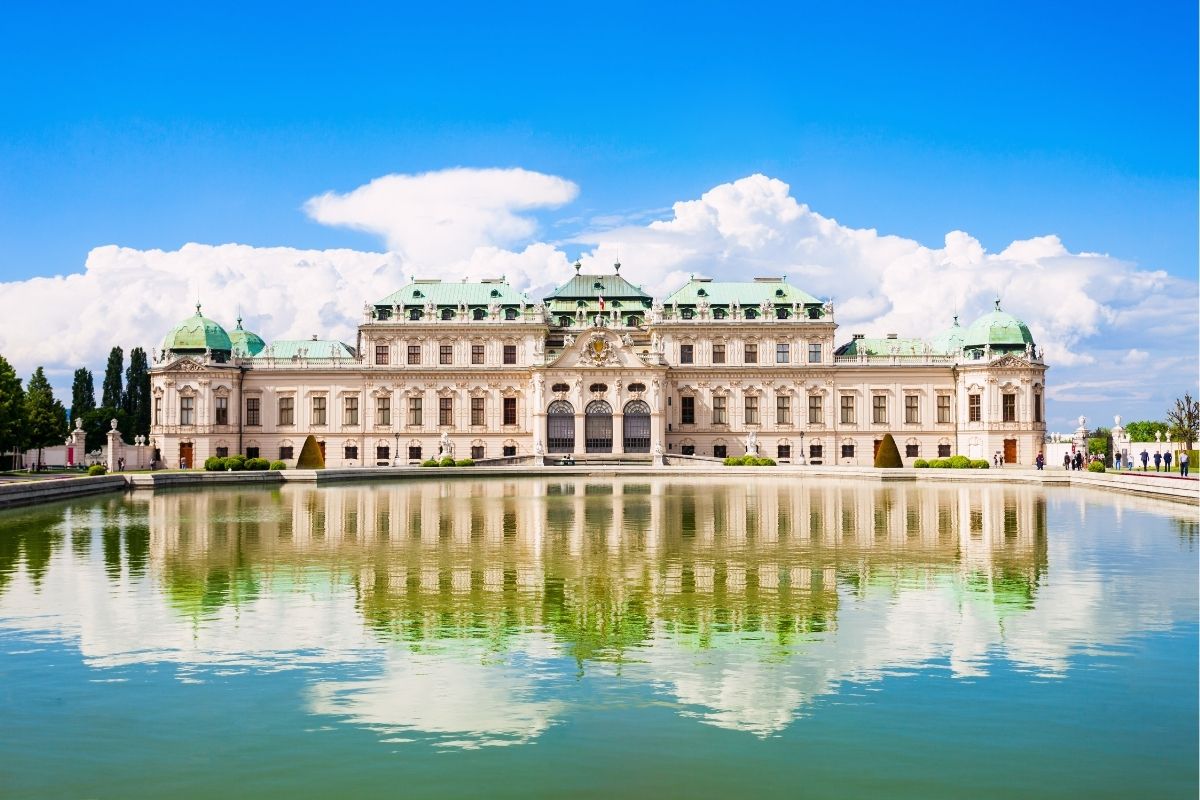
Vienna Classics (2 hours)
Highlights
- Stand beneath the Gothic spires of Stephansdom
- Stroll the elegant pedestrian Graben promenade
- Enter the gates of the Habsburg's Hofburg Palace
- Take in the grand sweep of Heldenplatz
Stop by stop
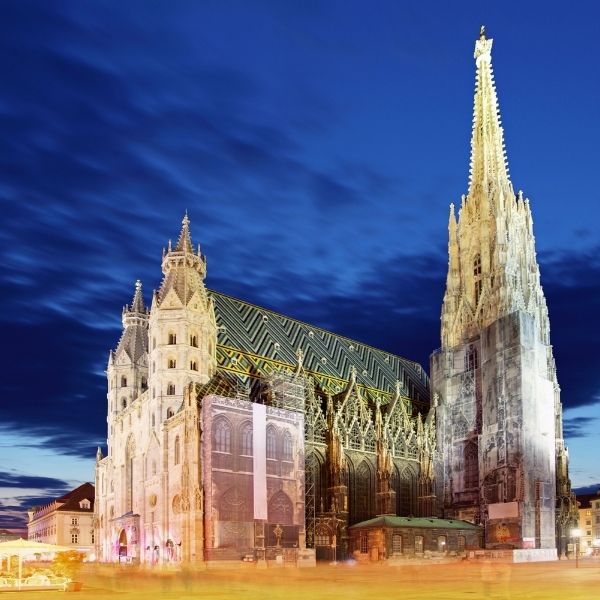
Stephansdom
Vienna's Gothic cathedral and the symbolic heart of the city.
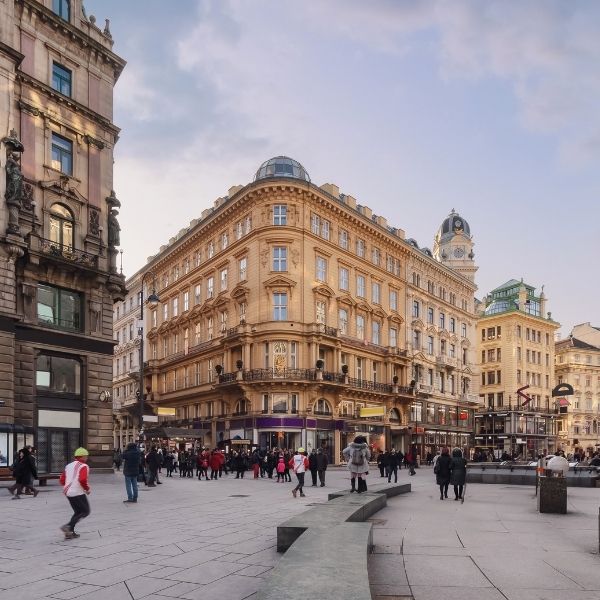
Graben
A grand pedestrian promenade lined with Baroque plague columns.
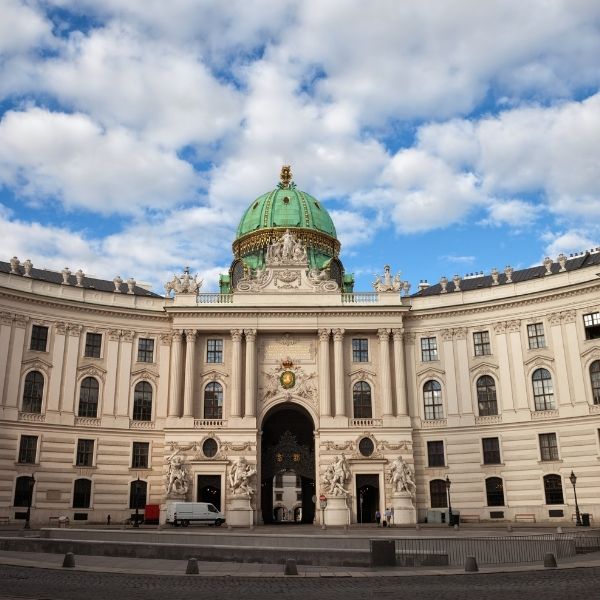
Hofburg Palace
The sprawling winter residence of the Habsburg emperors.
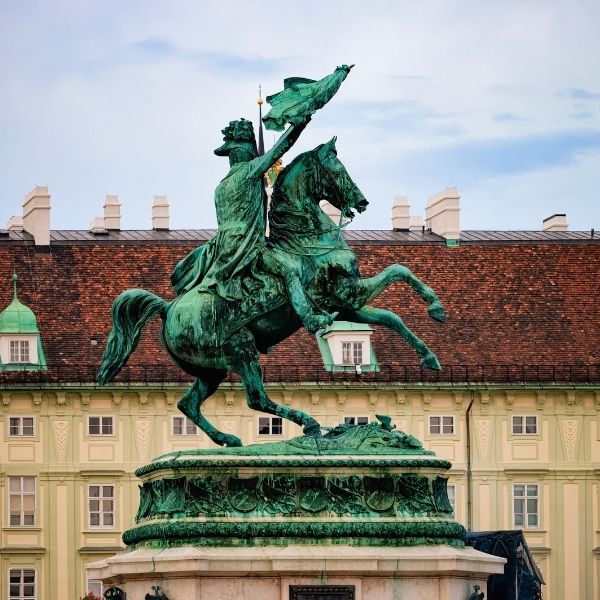
Heldenplatz
A vast ceremonial square flanked by equestrian statues of Habsburg heroes.
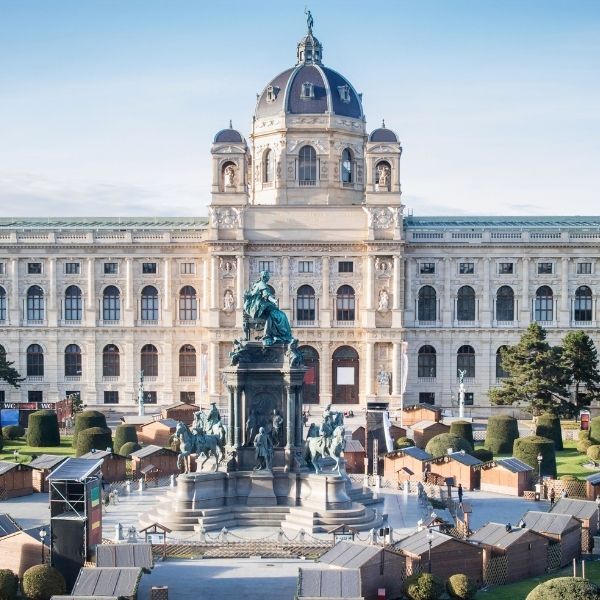
Maria-Theresien-Platz
Twin world-class museums face each other across this majestic square.
Overview
Few cities in the world compress so much history, beauty, and ambition into a single square kilometre. Vienna's historic first district — the Innere Stadt — has been a UNESCO World Heritage Site since 2001, and with good reason. In just two hours on foot, this route takes you from the Gothic heights of Stephansdom to the imperial grandeur of Maria-Theresien-Platz, weaving through streets where Mozart played, where empires rose and fell, and where some of Europe's finest architecture has stood for centuries.
This is the ideal first walk in Vienna. It covers the non-negotiable sights without rushing you, and it sets the stage perfectly for everything else the city has to offer. Start at Stephansdom, the spiritual and geographical centre of Vienna, and let the city reveal itself step by step.
The route is entirely flat, on wide pedestrianised streets and polished cobblestones — comfortable walking shoes are all you need.
Stop by Stop
Stephansdom
Stephansdom — St. Stephen's Cathedral — has watched over Vienna for nearly 900 years. The current Gothic structure dates primarily from the 14th and 15th centuries, though a Romanesque church stood on this spot before it. The multicoloured chevron-pattern roof tiles, replaced after World War II using donations from across Austria's provinces, are one of Vienna's most recognisable images.
Step inside to appreciate the scale: the nave rises 28 metres, and the entire interior is filled with Gothic carving, baroque altarpieces, and the tombs of Habsburg rulers. If your legs allow, climb the South Tower (Steffl) for an unmatched view of the city laid out below.
Insider tip: The catacombs beneath the cathedral hold the remains of thousands of plague victims as well as the organs of the Habsburg emperors — separate from their bodies, which were interred at the Kaisergruft. Short guided tours run regularly.
Graben
From Stephansdom, walk west along the Graben — one of Vienna's most celebrated pedestrian promenades. The name means "ditch" in German, a remnant of the Roman moat that once encircled Vindobona. Today it is anything but ditchlike: a broad, elegant boulevard lined with fine shops, outdoor café terraces, and striking 19th-century architecture.
Dominating the centre is the Pestsäule, or Plague Column, commissioned by Emperor Leopold I after Vienna survived the Great Plague of 1679. It is a Baroque masterpiece of gilded cloud, cherubs, and allegorical figures — simultaneously dramatic and deeply solemn. Take a moment to examine the sculptural detail up close.
Hofburg Palace
The Hofburg is not a single building but a city within a city: a vast complex of palaces, courtyards, museums, and libraries that expanded continuously from the 13th century until the collapse of the Habsburg empire in 1918. At its peak it housed the Imperial Court, the royal stables, the court theatre, the national library, and much more.
Enter through the Michaelertor — the monumental domed gateway on Michaelerplatz — and step into the In der Burg courtyard. From here you can explore at your own pace: the Kaiserliche Schatzkammer (Imperial Treasury) holds the Habsburg crown jewels; the Sisi Museum traces the life of Empress Elisabeth; the Imperial Apartments offer a rare glimpse into 19th-century royal domesticity.
Insider tip: Even if you skip the paid museums, walking through the courtyards and out the far side to Heldenplatz costs nothing and delivers an architecture lesson that no textbook can match.
Heldenplatz
Heldenplatz — Heroes' Square — is one of the most dramatic open spaces in Central Europe. Flanked by the two wings of the Neue Burg (the last addition to the Hofburg, completed in 1913) and fronted by equestrian statues of Archduke Charles and Prince Eugene of Savoy, it commands a sense of scale that stops most visitors in their tracks.
This square carries a complicated history. It was here, in March 1938, that Adolf Hitler announced the annexation of Austria to a vast crowd. Today it is a public park, the site of summer concerts and outdoor events — a deliberate reclamation of civic space from a dark chapter.
Maria-Theresien-Platz
The walk concludes at one of Vienna's most symmetrical and satisfying squares. Maria-Theresien-Platz sits between two near-identical grand buildings: the Kunsthistorisches Museum (Museum of Art History) to the south and the Naturhistorisches Museum (Museum of Natural History) to the north, both built in the 1870s in neo-Renaissance style for Emperor Franz Joseph I.
At the centre stands a monumental statue of Empress Maria Theresa herself — the only woman ever to rule the Habsburg domains, who reigned for 40 years and transformed Austria into a modern state. The Kunsthistorisches Museum houses one of the greatest art collections in the world; allow at least two hours if you plan to go inside.
Practical Tips
- Best time to walk: Morning (8–10 am) for fewer crowds around Stephansdom; late afternoon light is beautiful on the Graben and Hofburg.
- What to wear: Comfortable walking shoes — the cobblestones around the Hofburg can be uneven.
- Entry costs: The exterior route is entirely free. Paid attractions along the way include Stephansdom tower climb (€6), Hofburg museums (€16–20), and KHM (€21).
- Café stop: Café Demel on the Kohlmarkt (a short detour off the Graben) is one of Vienna's finest. Alternatively, Café Central on the Herrengasse is close to the Hofburg.
- Getting there: U1/U3 Stephansplatz puts you right at the starting point.