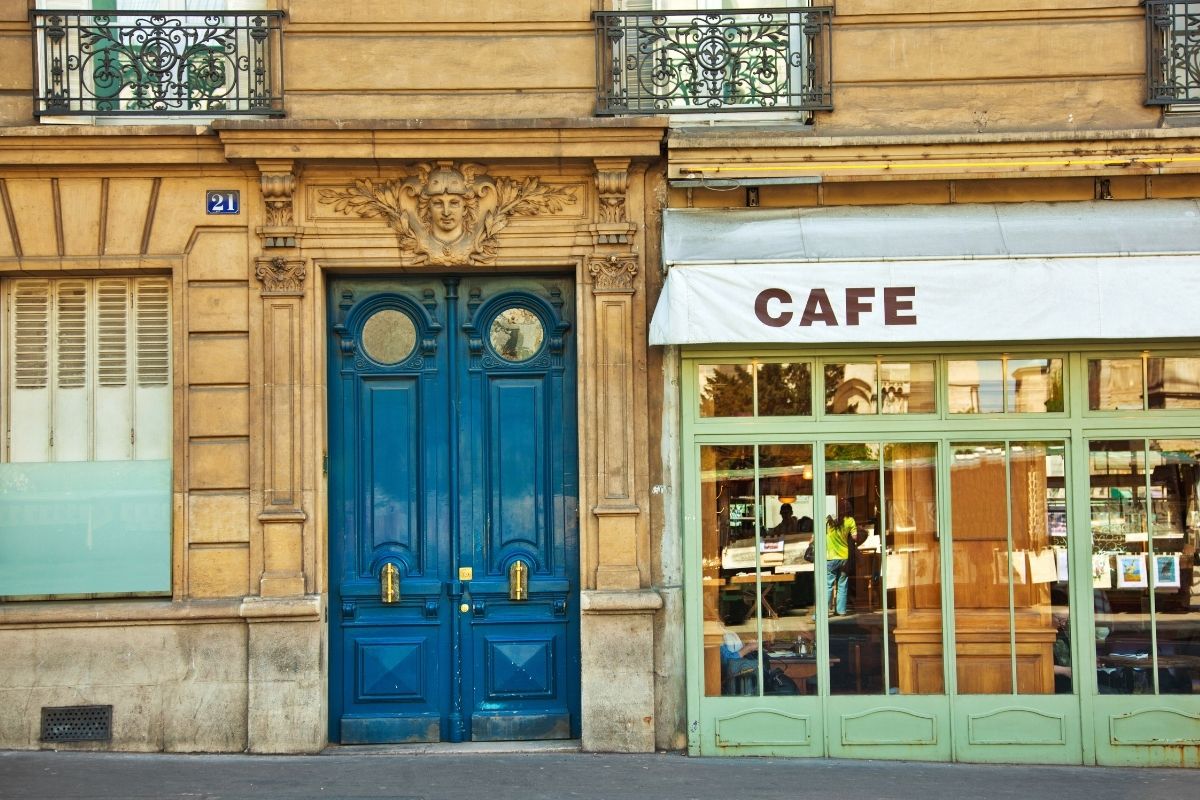
Coffee Culture Classic (2 hours)
Highlights
- Sip coffee in the vaulted halls of Café Central
- Discover the home of the original Sachertorte at Café Sacher
- Browse the window displays of imperial confectioner Café Demel
- Walk past the grand façade of the Vienna Staatsoper
Stop by stop

Café Central
A grand 19th-century coffeehouse with vaulted ceilings where Freud and Trotsky once sat.

Café Demel
The imperial and royal court confectioner since 1888, famous for exquisite pastries.
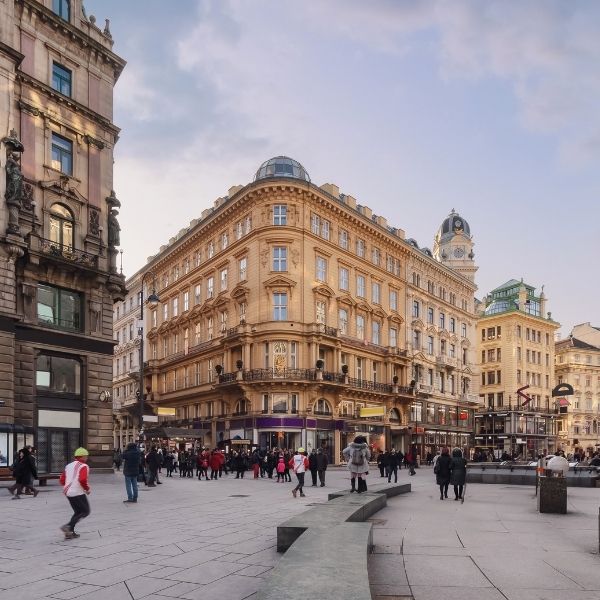
Graben
A grand pedestrian promenade lined with Baroque plague columns.

Staatsoper
One of the world's leading opera houses, a crown jewel of the Ringstraße.

Café Sacher
The birthplace of the world-famous Sachertorte, serving Vienna since 1876.
Overview
Vienna invented the coffeehouse as a social institution. When the retreating Ottoman army left sacks of coffee beans behind after the Siege of Vienna in 1683, the city did something uniquely Viennese with them: it slowed down, sat down, and made the act of drinking coffee into an art form. In 2011, UNESCO recognised the Viennese coffeehouse culture as Intangible Cultural Heritage — the only such recognition granted to a café tradition anywhere in the world.
This two-hour walk traces the golden thread of that tradition through the inner city, connecting three of Vienna's most storied coffeehouses with the architectural landmarks that give the city its character. You will walk the Graben promenade, pass the imperial Staatsoper, and finish at Café Sacher — where the original Sachertorte has been served since 1876 and where the dispute over who invented it was only settled in court in 1962.
Come hungry. Come ready to sit. Come understanding that in Vienna, ordering a coffee and staying for two hours is not only acceptable — it is expected.
Stop by Stop
Café Central
Café Central opened in 1876 inside the Palais Ferstel on the Herrengasse, and within a decade it had become the living room of Viennese intellectual life. The Habsburg writer Peter Altenberg kept his mail delivered here. Leon Trotsky reportedly played chess in the back room. Sigmund Freud, Arthur Schnitzler, and Egon Schiele were all regulars. A wax figure of Altenberg still sits at a small table near the entrance — an odd tribute that somehow feels right.
The interior is extraordinary: soaring Gothic vaulted ceilings, marble columns, red velvet banquettes, and a glassed atrium that fills the space with diffuse light. Order a Wiener Melange (the classic Viennese coffee: espresso with steamed milk and foam) and one of the house pastries. The walnut torte is exceptional.
Insider tip: Arrive before 10 am or after 3 pm to avoid the lunchtime queues. A seat at the back, away from the main aisle, is the most atmospheric.
Café Demel
A short walk down the Kohlmarkt from the Herrengasse brings you to Café Demel — imperial confectioner to the Habsburg court since 1888, and still the most aristocratic pastry shop in Vienna. The window displays alone are worth the detour: elaborate sugar sculptures, seasonal confections, and hand-painted marzipan arranged like museum pieces.
Founded in 1786 (originally under a different name and location), Demel has made Vienna's finest Sachertorte since 1934 — or so they claim. The rival claimants, Hotel Sacher, spent 14 years in court over the rights to the "Original Sachertorte" recipe before a compromise was reached. Order one at Demel and one at Sacher, compare notes, and form your own opinion.
The interior is decorated in 19th-century imperial style: dark wood, brass fittings, and portraits of Habsburg dignitaries. Counters are laden with hand-made chocolates, strudels, and the world's finest Apfelstrudel.
Graben
From Demel, the Kohlmarkt leads naturally onto the Graben — Vienna's grandest pedestrian promenade and one of the most architecturally consistent streets in the city. Despite its Roman origins (it was the eastern ditch of the legionary fortress of Vindobona), everything you see today is from the 18th and 19th centuries: grand Biedermeier and Historicist façades, immaculate shopfronts, and at the centre, the towering Pestsäule.
The Pestsäule — Plague Column — was commissioned by Emperor Leopold I in gratitude for Vienna's survival of the plague epidemic of 1679, which killed roughly a third of the city's population. It is one of the finest examples of Austrian Baroque sculpture: clouds of gilded marble seem to billow upward from the base, carrying cherubs and allegorical figures toward a golden sun at the apex.
Staatsoper
The Vienna State Opera is one of the two or three greatest opera houses in the world, and its Ringstraße façade — a neo-Renaissance building designed by August von Siccardsburg and Eduard van der Nüll, opened in 1869 — is among Vienna's most recognisable landmarks. The architects died within weeks of each other before the opening, reportedly following criticism of the building by Emperor Franz Joseph; it is one of Vienna's more melancholy founding stories.
Even if opera is not your passion, pause to take in the facade from the Ringstraße, and consider attending the guided interior tour (usually available daily, approximately 45 minutes). The auditorium, rebuilt after World War II bomb damage, seats 2,284 in a horseshoe arrangement and is one of the most beautiful concert spaces in existence.
Insider tip: Standing-room tickets (Stehplatz) are available for €4 on the night of a performance. Queue begins at the Operngasse entrance approximately 2 hours before curtain.
Café Sacher
The tour ends exactly where its subject matter demands: at Café Sacher, directly behind the Staatsoper on the Philharmonikerstraße. Founded by Eduard Sacher in 1876, this is the home of the original Sachertorte — a dense chocolate sponge split with a layer of apricot jam and coated in dark chocolate glaze, served with unsweetened whipped cream. Simple, perfect, and fiercely defended.
Café Sacher is not the cheapest coffeehouse in Vienna, nor the most avant-garde. But it is one of the most atmospheric: deep red plush, dark wood panelling, gilt-framed oil paintings, and the quiet efficiency of waiters in black and white who have been executing the same ritual for generations. Order the Sachertorte, a Schwarzer (black coffee), and take your time.
Practical Tips
- Best time to walk: Mid-morning (around 10 am) lets you enjoy Café Central before the lunch rush and Café Demel before the afternoon crowds.
- Budget: A coffee and pastry at each of the three main cafés will cost approximately €12–16 per stop. This is Vienna: the experience is worth it.
- What to wear: Smart-casual is appreciated at the historic coffeehouses. Extremely informal dress may draw polite but pointed looks.
- Pace: This tour can be stretched to 3+ hours if you linger at Café Central or Café Sacher — both encourage it.
- Getting there: U3 Herrengasse for Café Central; U1/U2/U4 Karlsplatz for the Staatsoper and Café Sacher.